


Focusing on filtration screens
filters, strainers, baskets, cones, cartridges
Perforated tube pipe is a hollow metal pipe that contains a series of evenly distributed holes or slots across its surface. It is typically made from stainless steel, carbon steel, or other corrosion-resistant alloys, and is designed to allow controlled fluid or gas flow while maintaining structural strength.
The perforations can be round holes, square openings, or custom slot patterns depending on the application requirements.
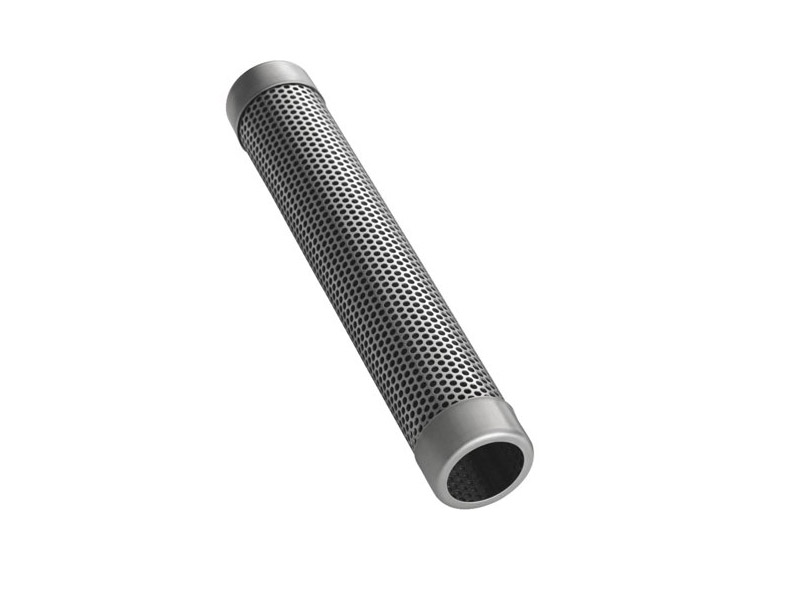
In filtration applications, perforated tube pipes act as a supporting and flow-control element.
The perforated surface allows liquids or gases to pass through the pipe wall while blocking larger particles or debris from passing downstream.
In many systems, perforated pipes are used as a first-stage filtration layer to remove coarse contaminants before finer filtration media is applied.
The evenly spaced holes help distribute flow more uniformly, reducing pressure concentration and improving overall system efficiency.
Perforated tube pipes are widely used in different filtration environments:
They are used in intake structures and filtration units to separate solids from water in municipal and industrial treatment plants.
In extraction and processing systems, perforated pipes help filter sand, scale, and debris from production fluids.
They support filtration and flow control in reactors and chemical transport pipelines where contamination control is critical.
Beyond filtration, perforated tube pipes also play an important structural role.
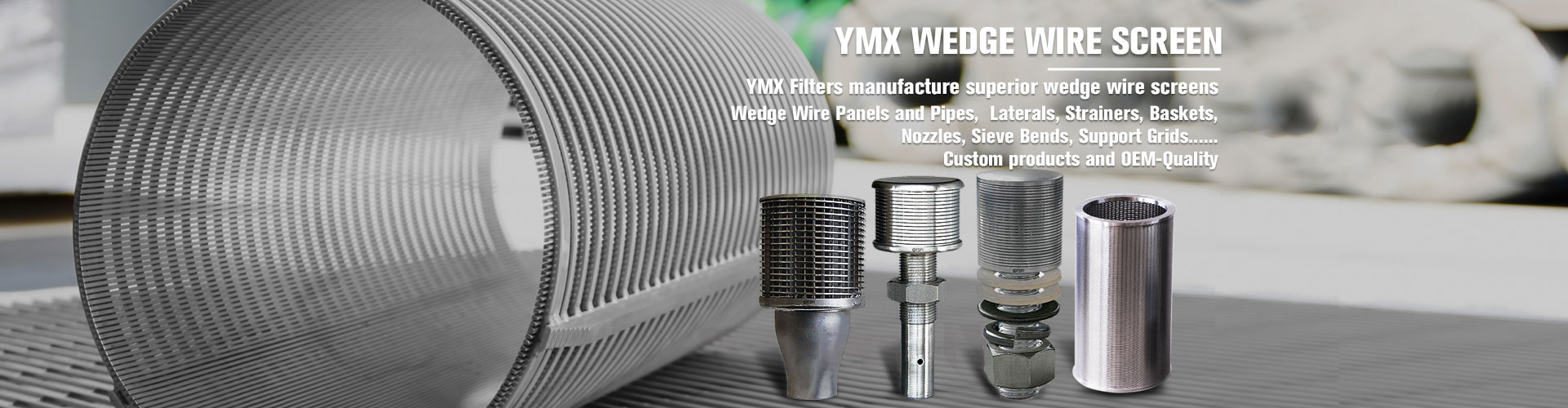
They are often used as internal support cores for wire mesh, filter cloth, or wedge wire screens, maintaining shape under pressure.
The pipe structure provides mechanical strength while the perforations reduce weight without compromising stability.
Perforated tubes are used in drainage fields and ventilation systems to allow controlled air or liquid movement while maintaining structural integrity.
The hollow structure combined with perforations reduces material usage while maintaining strong load-bearing capacity.
Hole size, spacing, and pattern can be customized to match specific filtration or flow requirements.
Stainless steel options provide long-term durability in harsh environments such as chemical or marine applications.
The perforated design ensures balanced flow distribution and reduces localized pressure buildup.
Perforated tube pipes are used in:
Water and wastewater treatment plants
Oil and gas filtration systems
Mining slurry processing systems
HVAC and ventilation systems
Chemical reactors and processing units
Structural filter support assemblies
A perforated tube pipe is a multifunctional industrial component used for both filtration and structural support. By combining controlled perforations with a strong tubular design, it enables efficient fluid distribution, effective debris separation, and reliable mechanical stability.
Its versatility makes it an essential solution in industries that require both durability and precise flow management in demanding operating environments.


