


Focusing on filtration screens
filters, strainers, baskets, cones, cartridges
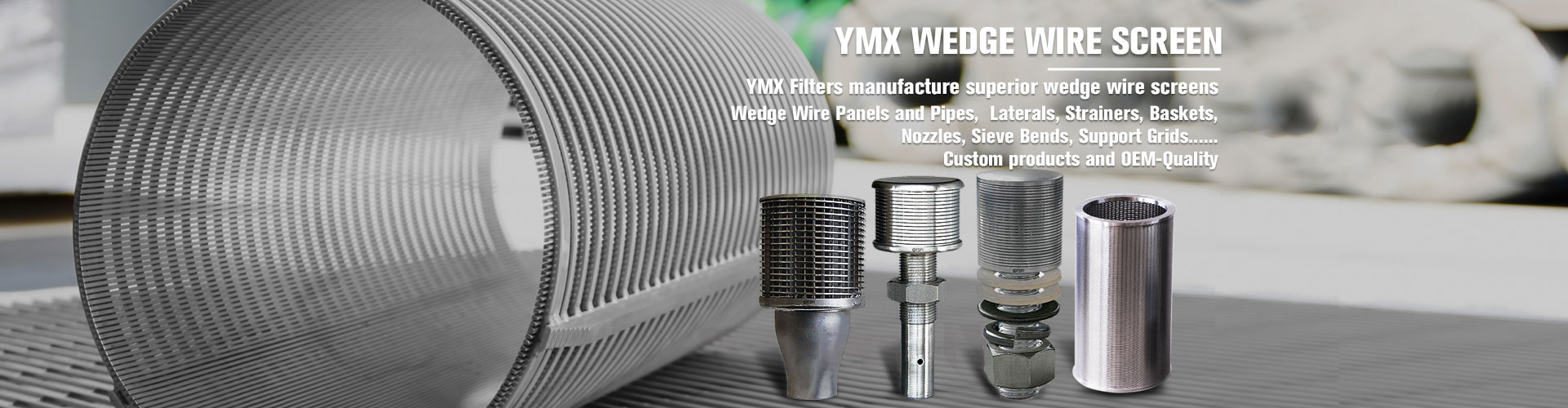
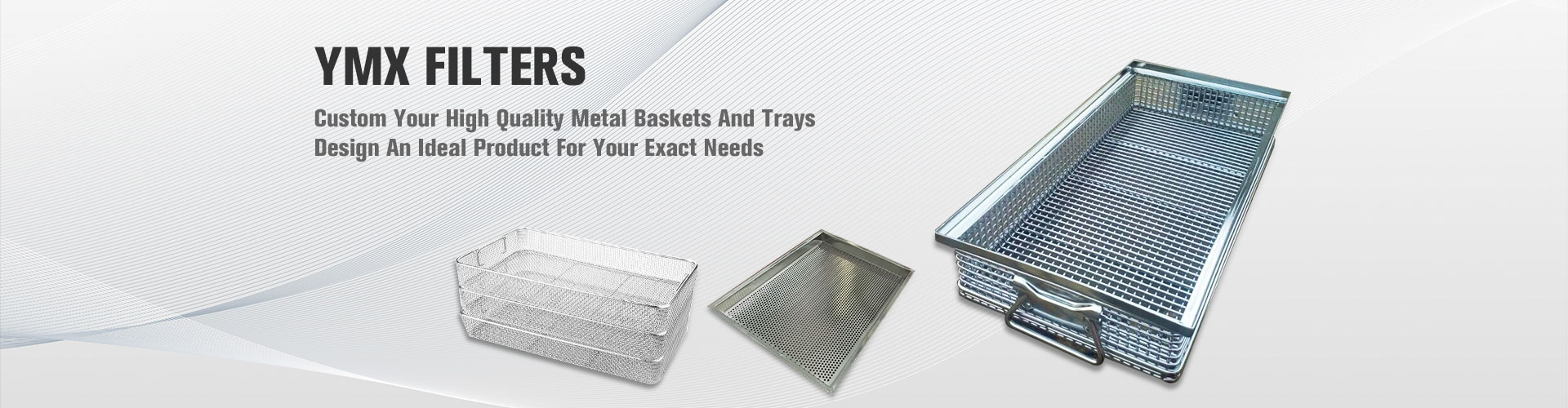
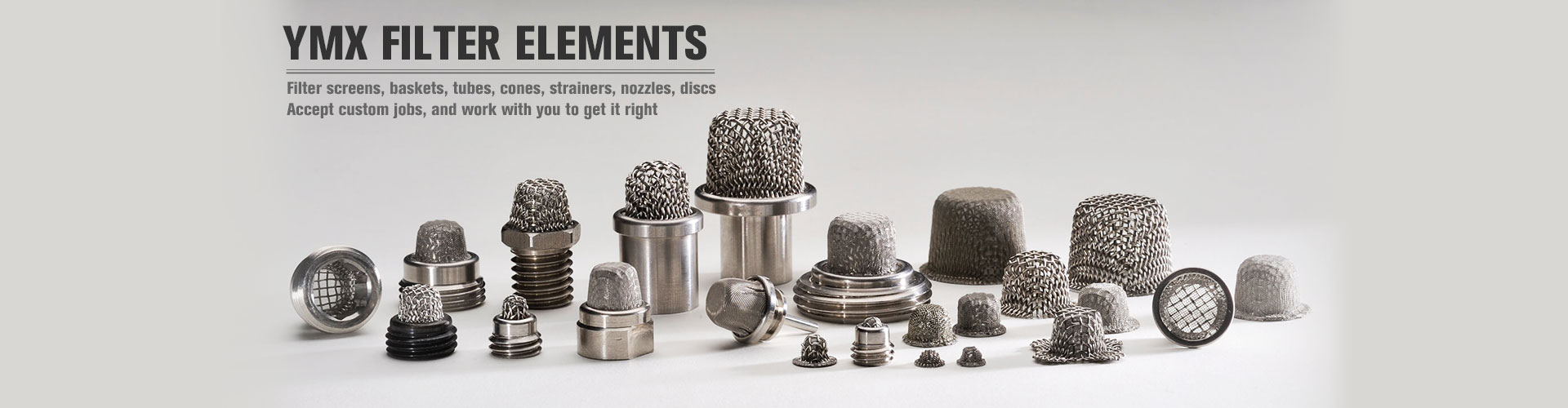
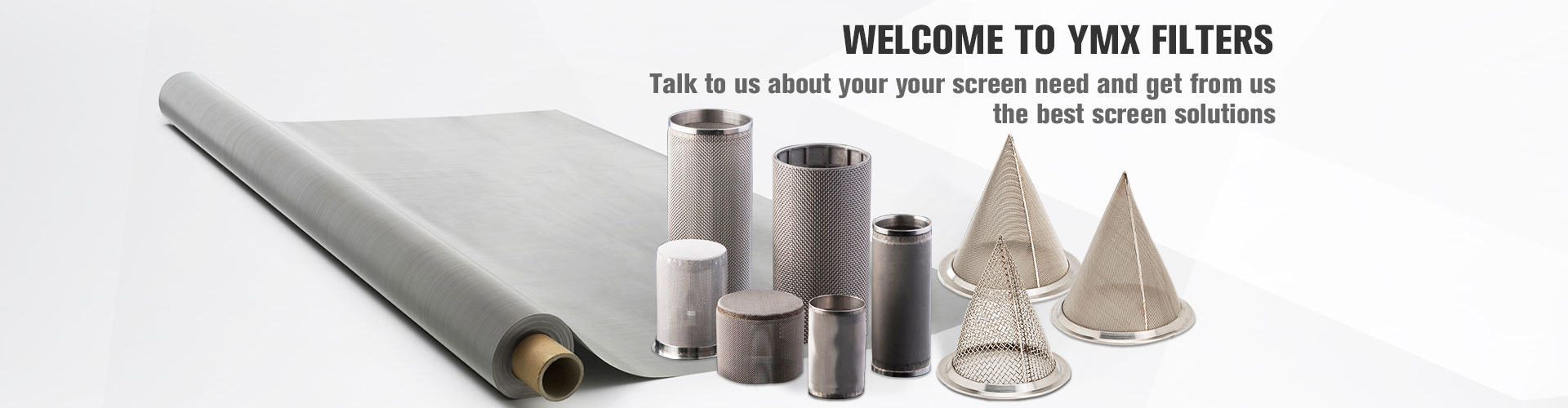
YMX is a filter strainer manufacturer supplying custom wire mesh strainers, filter washers and formed filtration components for industrial equipment and fluid-handling systems. Our product range includes cone-shaped strainers, flat filter washers, stamped mesh screens, rimmed filters and semi-finished mesh inserts for welding, rubber sealing or plastic overmolding.
Products can be manufactured from stainless steel woven wire mesh in SS302, SS304, SS316 and SS316L. Shape, dimensions, filtration rating, mesh structure, edge treatment and supporting components can be customized according to your drawing, sample or installation requirements.
Cone strainers provide a larger filtration surface than a flat screen within a limited installation diameter. They can be installed in valves, pumps, pipe fittings and equipment inlets to capture particles before they enter sensitive components.
Available options include:
Pointed or truncated cone structures
Single-layer or multilayer wire mesh
Stainless steel, brass or custom metal rims
Welded, crimped or formed edges
Custom cone height, angle and opening diameter
Filter washers are flat or shallow-formed mesh components installed inside fittings, connectors, nozzles and valves. They are suitable for compact filtration positions where installation space is limited.
YMX can customize:
Outside and inside diameters
Round, square or irregular shapes
Mesh count and filtration rating
Single-layer or supported mesh structures
Plain, rimmed or gasket-integrated designs
Woven wire cloth can be stamped and formed into cups, caps, domes, cones and other three-dimensional shapes. These components can be supplied as finished filters or as semi-finished inserts for later welding, plastic injection molding, rubber processing or assembly.
Metal rims improve the dimensional stability of fine wire mesh and make the filter easier to install and replace. Rim material, thickness, shape and joining method can be selected according to the sealing structure and working environment.
For flat and multilayer filter products, view our filter discs and packs. For cylindrical filtration components, see our filter tubes and cartridges.
Material selection should be based on the fluid, operating temperature, corrosion conditions and cleaning method.
Common options include:
SS302 for general wire mesh filtration
SS304 for water, air, oil and general industrial fluids
SS316 for improved chemical and corrosion resistance
SS316L for demanding corrosive environments and welded components
Brass or other metal materials for rims and support structures
Available filter structures include:
Plain woven wire mesh
Twill woven wire mesh
Dutch woven mesh
Single-layer mesh
Multilayer mesh
Mesh with perforated or expanded-metal support
Rimmed and gasket-combined structures
The final material and construction should be confirmed according to the pressure differential, particle size and required service life.
As a custom filter strainer manufacturer, YMX can adjust the following specifications:
Outside diameter and inside diameter
Overall length, height and cone angle
Mesh count or micron rating
Wire diameter and opening size
Number and sequence of mesh layers
Rim material and thickness
Supporting screen structure
Welding, spot welding or crimping
Stamping and deep-forming shape
Plastic overmolding or rubber integration
Cleaning and packaging requirements
Customers can provide a CAD drawing, dimensional sketch, physical sample or installation photo. Our team will review manufacturability before quotation and sample production.
The correct filter strainer cannot be selected from diameter alone. Before ordering, confirm the following information:
Provide the particle size to be retained or the required mesh count or micron rating. Very fine filtration may require a multilayer structure or supporting mesh to prevent deformation.
Confirm whether the filter will be used with water, oil, fuel, chemicals, air, gas or food-processing fluids. This determines the suitable mesh, rim and sealing materials.
A finer mesh provides higher particle retention but may also increase pressure loss. The available filtration area, flow rate and allowable pressure differential should be considered together.
Provide the available installation diameter, depth, sealing method and connection structure. For replacement components, drawings or samples are recommended.
Specify whether the product is disposable, washable or repeatedly reusable. Reusable strainers may require stronger rims, supporting layers and more durable joining methods.
Custom filter strainers can be used in:
Pumps, valves and hydraulic components
Oil, fuel and lubricant filtration
Water-treatment equipment
Chemical processing systems
Food and beverage equipment
Irrigation and spray systems
Appliances and sanitary fittings
Automotive and machinery components
Plastic injection filter assemblies
General industrial fluid and gas filtration
Filter strainers can be inspected according to the drawing and agreed specification. Inspection items may include:
Raw-material verification
Mesh count and opening size
Outside and inside dimensions
Forming height and shape
Rim and weld integrity
Surface cleanliness
Fit with the supplied mating part
Packaging quantity and identification
Material certificates and inspection documents can be discussed according to the selected material and order requirements.
Samples and small-batch production can be evaluated for custom filter strainer projects. MOQ depends on the material, mesh specification, product dimensions, forming difficulty, tooling requirements and packaging method.
For existing designs, customers can send drawings or samples for a quotation. New stamped or deep-formed structures may require tooling and sample confirmation before bulk production. Final sample and production lead times are confirmed after the technical details and quantity have been reviewed.


