


Focusing on filtration screens
filters, strainers, baskets, cones, cartridges
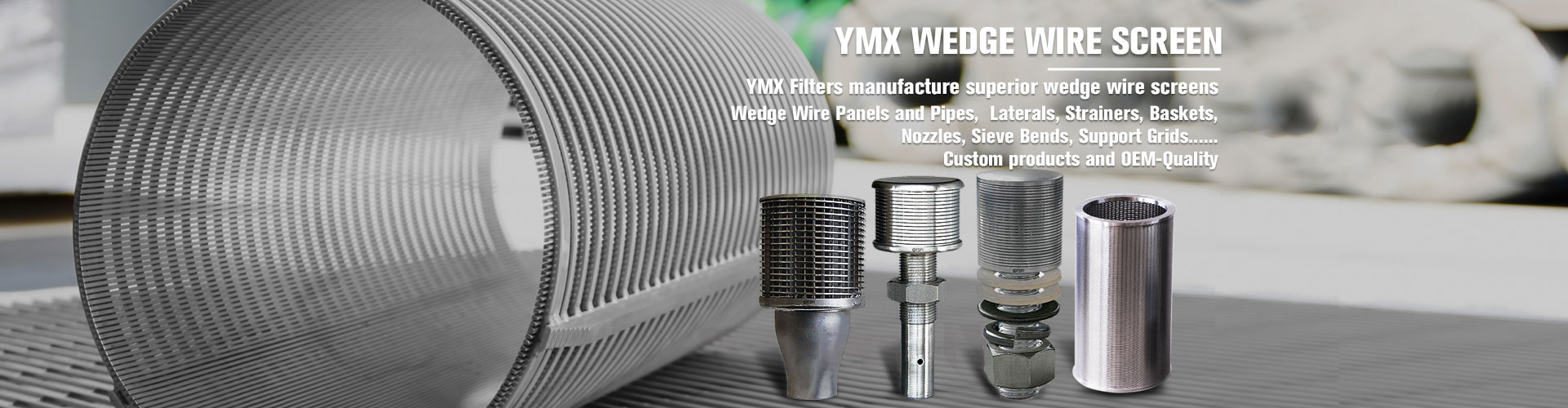
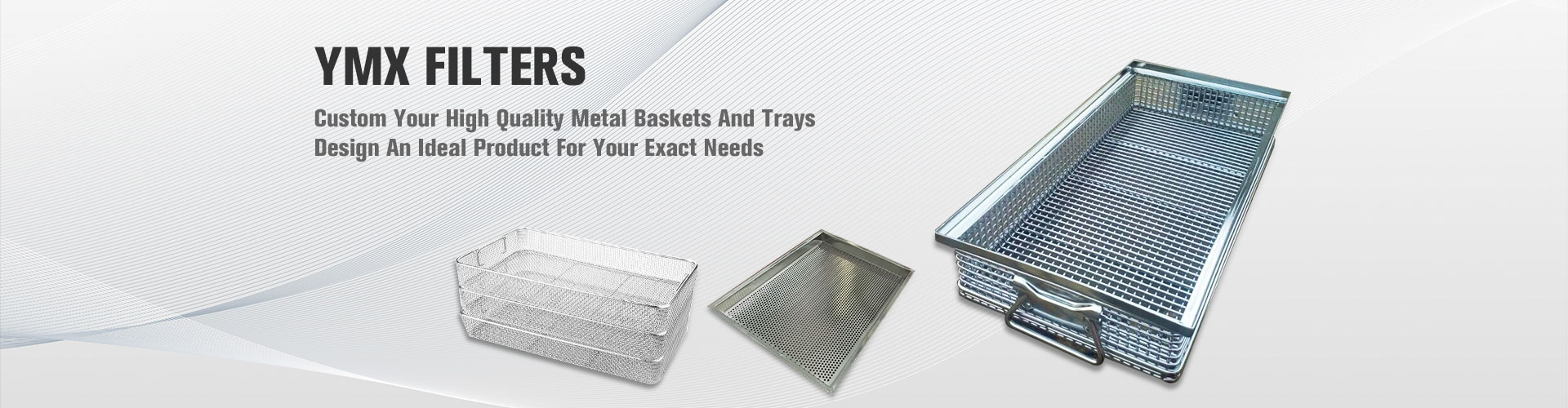
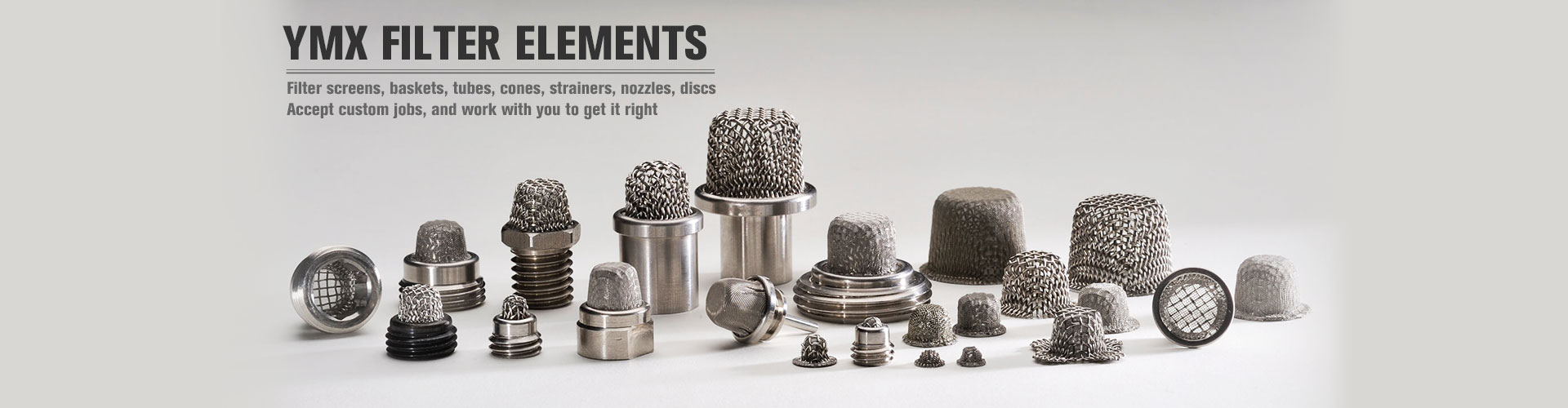
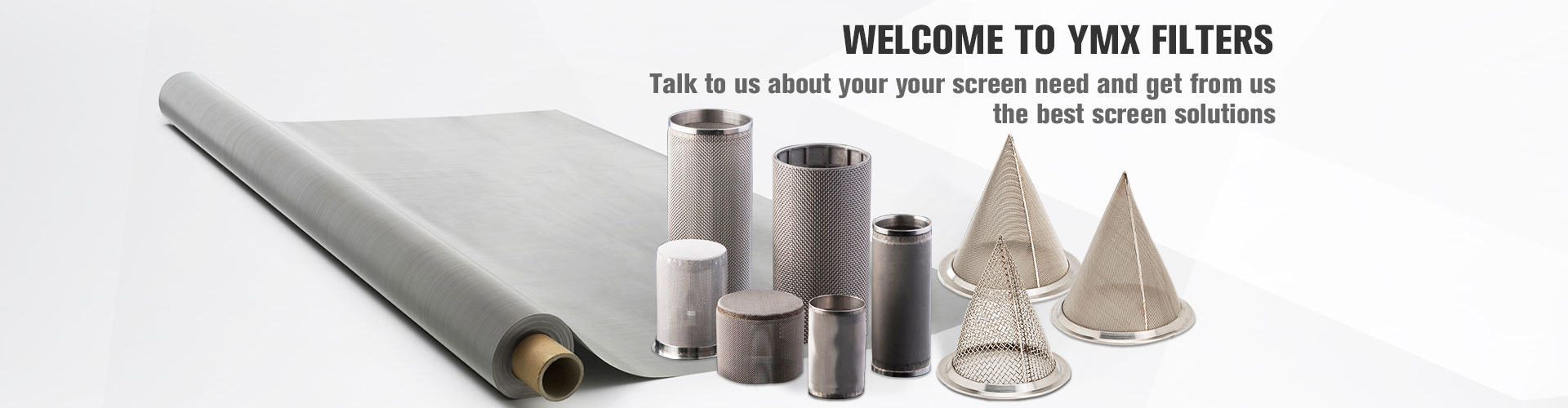
Temporary strainer is a short-term pipeline filtration device installed during system commissioning, flushing, and start-up phases. It is designed to capture welding slag, rust, scale, and construction debris before the pipeline enters full operation.
Unlike permanent filtration equipment, a temporary strainer is removed after the initial cleaning and stabilization of the system.
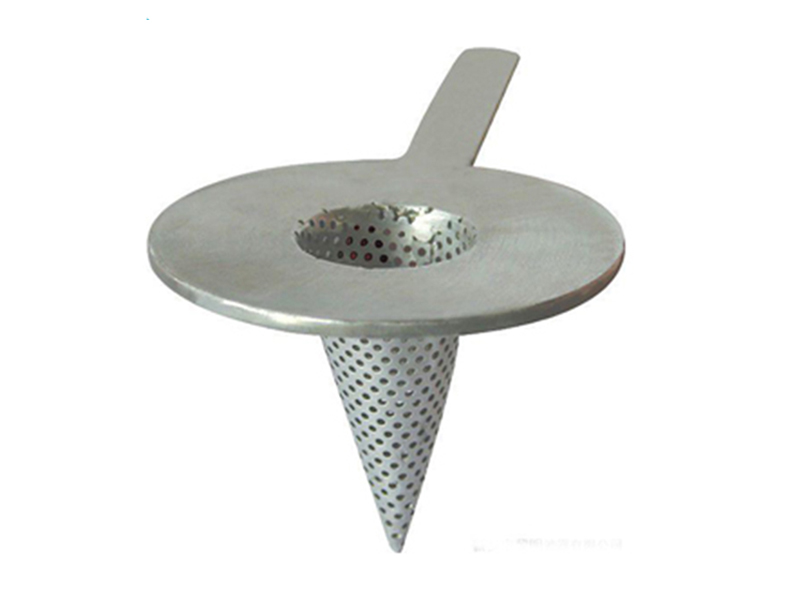
Temporary strainers are mainly used in the early lifecycle of pipeline systems, especially when internal contamination risk is highest.
New pipelines often contain welding debris, metal shavings, and construction residue. A temporary strainer is installed to protect downstream equipment during initial flow testing and system activation.
When pumps and valves are first activated, residual particles inside the system can be dislodged. The strainer captures these contaminants before they reach sensitive components.
Any repair, replacement, or expansion of pipeline sections can introduce new debris. Temporary strainers are used again during re-start to ensure system cleanliness.
Temporary strainers play a critical role in preventing early-stage system damage.
Pumps are highly sensitive to solid particles. Temporary strainers prevent abrasive debris from damaging impellers and seals.
Small particles can block valve seats or damage flow meters and sensors. Filtration at start-up ensures accurate and stable system performance.
Capturing debris early prevents it from circulating through the entire pipeline network, reducing long-term contamination risks.
Different designs are used depending on flow conditions and pipeline layout.
Installed in flange connections
Suitable for vertical or horizontal pipelines
High strength and compact design
Larger filtration area
Better for high debris load conditions
Often used in larger diameter pipelines
Temporary strainers offer several practical benefits during start-up phases:
Fast installation and removal
Low cost compared to permanent filtration systems
Effective protection during high-contamination periods
Helps ensure smooth transition to full operation
Temporary strainers are usually made from stainless steel or carbon steel depending on system requirements.
Important design factors include:
Mesh or perforation size based on debris type
Pressure rating compatibility with pipeline system
Flow capacity to avoid excessive pressure drop
Corrosion resistance for wet or chemical environments
They are widely applied in:
Petrochemical pipeline commissioning
Power plant cooling systems
Water treatment plant start-up operations
Industrial HVAC pipeline flushing
Oil and gas transmission systems
A temporary strainer should be used during pipeline commissioning, start-up, and post-maintenance phases when the risk of internal debris is highest. It protects pumps, valves, and instrumentation from damage, ensures clean system operation, and reduces long-term maintenance issues.
For any new or modified pipeline system, temporary strainers are a critical first-line protection measure before permanent filtration systems take over.


