


Focusing on filtration screens
filters, strainers, baskets, cones, cartridges
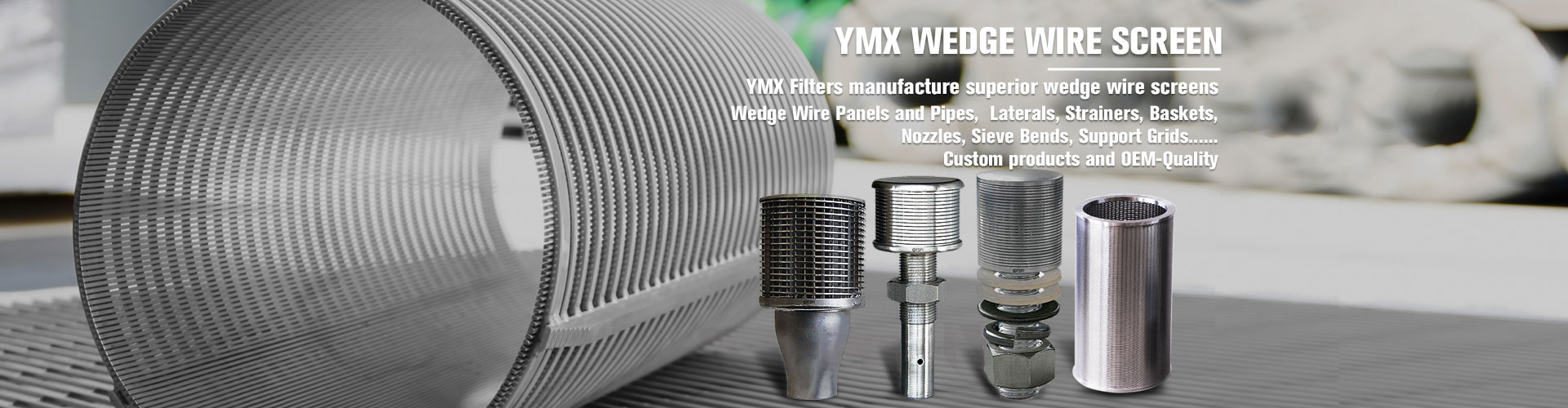
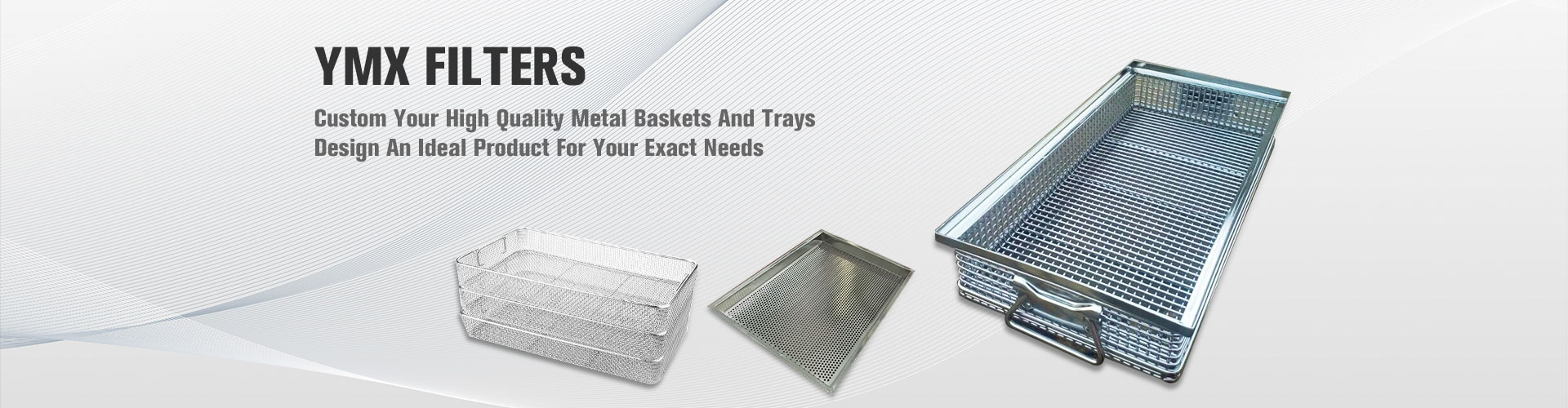
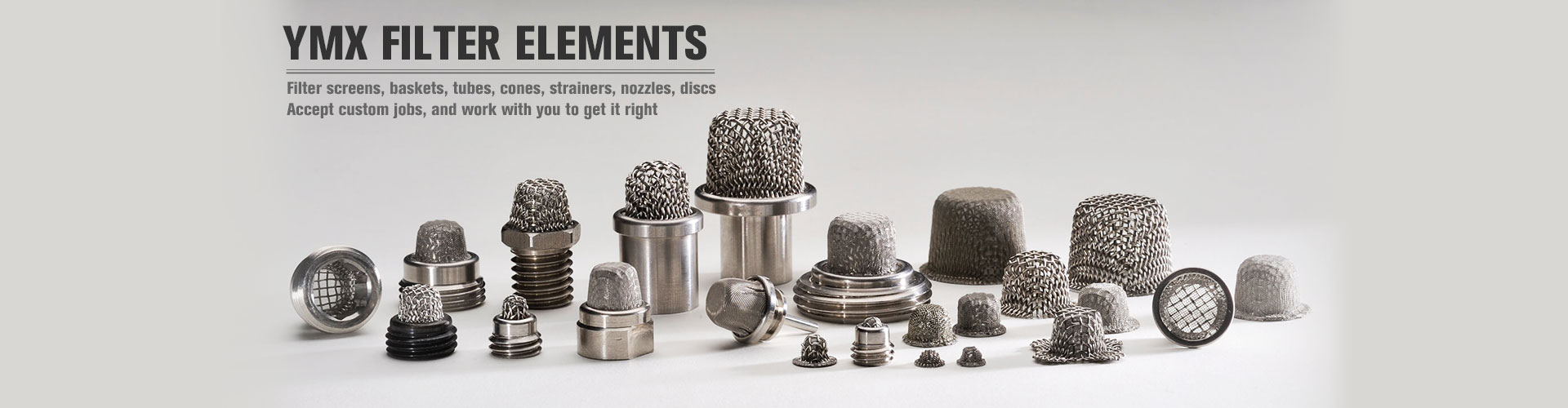
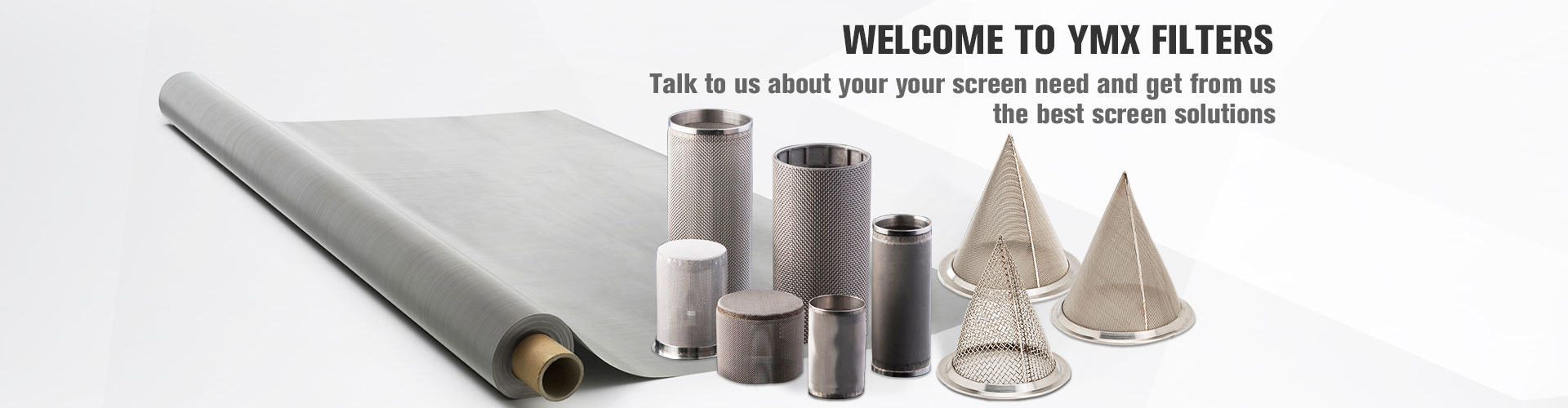
A plastic injection molded filter combines a filtration screen with an injection-molded plastic frame, rib, cap or housing. During production, the screen is positioned inside a mold and plastic is formed around selected areas to create an integrated filter component.
This construction can reduce separate assembly steps, hold the mesh securely and make the filter easier to install inside fuel systems, water-treatment equipment, air-management devices and other compact filtration assemblies.
YMX manufactures plastic injection filters using metal screen materials and molded plastic structures. Its current range includes air-bleed screens, diesel fuel filters, plastic filter cages, screen tubes and water-treatment filter cylinders. Products can be developed from customer drawings, physical samples or application requirements.
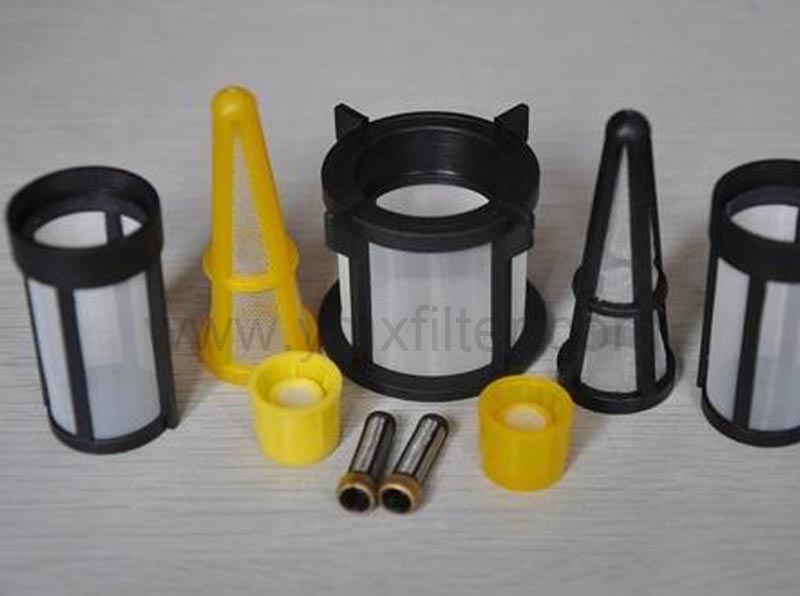
A plastic injection molded filter normally consists of two main parts:
A filter medium that removes particles or controls flow;
An injection-molded plastic structure that supports, seals or connects the filter.
The filter medium may be formed as a disc, tube, cone, basket or another shape before being placed into the injection mold. Plastic can then be molded around its edge or selected structural areas.
Depending on the product design, the molded section may function as:
An outer frame;
A sealing rim;
A supporting rib;
An end cap;
A mounting flange;
A threaded connection;
A positioning feature;
An integrated housing.
YMX applies plastic injection molding to metal mesh filter tubes and discs and can produce molded frames, rims, supports, caps and other related structures. The company also develops fully plastic cages and cylinders for applications that do not require a metal filter screen.
Traditional filters may require the screen, frame and sealing parts to be cut, welded, crimped or assembled separately. Plastic overmolding can combine several functions into one component.
Potential design advantages include:
The injected plastic surrounds selected areas of the screen and helps prevent movement during installation or operation.
However, the molded depth, mesh opening and plastic flow must be engineered correctly. Insufficient penetration may result in weak retention, while excessive injection pressure may deform fine mesh.
A molded frame can replace separate clips, metal rims or adhesive-bonded supports. This may reduce the number of components handled on the customer’s assembly line.
The plastic frame can incorporate shoulders, grooves, lips and contact surfaces that help the filter fit into an existing housing.
Where leak prevention is important, the supplier needs complete information about the mating component and compression requirements.
Injection molding can provide consistent external dimensions for repeated production once the mold, plastic material and processing conditions have been validated.
Mounting tabs, handles, ribs, connectors, identification marks and flow-direction features can be integrated into the molded structure instead of being installed separately.
A flat mesh disc can be surrounded by a molded plastic rim. This construction is commonly selected for compact housings, valves, pumps and fluid inlets.
Important specifications include:
Filter outside diameter;
Effective filtration area;
Mesh opening;
Plastic rim width;
Rim thickness;
Sealing-surface dimensions;
Flatness;
Flow direction.
Framed screens may be rectangular, round or custom-shaped. The plastic frame maintains the screen geometry and provides mounting points for the final assembly.
YMX currently supplies air-bleed filter screens made from mesh with an injected plastic frame.
A cylindrical mesh screen can be overmolded with plastic ribs, end caps or connection features. This format provides a larger filtration area than a flat disc within a narrow installation space.
YMX can process woven stainless steel mesh, perforated metal, photo-etched screens and expanded metal into filter tubes and cages with molded plastic components.
Plastic injection molded fuel filters are used to help prevent particles from entering engines, pumps, injectors and other fuel-system components.
YMX produces overmolded mesh filter parts for vehicles such as cars, trucks and buses. These components combine an injected plastic structure with a filtration screen and can be manufactured according to drawings or samples.
Water-treatment products may use one or more layers of stainless steel woven mesh inside an injection-molded plastic frame.
YMX’s current category includes drinking-water filter cylinders made with double-layer stainless steel fine woven mesh and an injected plastic structure.
A molded cage may hold chemicals, repellents, media or other materials while allowing air or liquid to pass through its openings.
For these products, buyers should specify the opening size, product dimensions, internal contents and required material compatibility.
The screen material determines particle retention, flow capacity, strength and compatibility with the filtered medium.
Woven mesh is available in different aperture sizes, wire diameters and weave constructions.
Key selection factors include:
Required particle size;
Open area;
Wire diameter;
Mesh count;
Weave type;
Operating pressure;
Mechanical support;
Material compatibility.
Very fine woven mesh may require additional support to prevent deformation during molding or service.
Perforated metal provides defined holes and good structural rigidity. It can be used alone for coarse filtration or as a supporting layer behind finer mesh.
Photo-etched metal allows accurately positioned openings and complex patterns. It may be considered when conventional woven mesh cannot provide the required hole geometry.
Expanded metal can provide high open area and structural support. It may be used as a cage, support layer or coarse strainer.
YMX lists woven stainless steel mesh, perforated metal, photo-etched screen and expanded metal among the materials available for molded filter tubes and cages.
The plastic material should be selected according to the fluid, temperature, pressure and mechanical requirements rather than appearance alone.
Provide the supplier with:
Filtered liquid or gas;
Normal operating temperature;
Maximum temperature;
Continuous or intermittent exposure;
Chemical concentration;
Pressure conditions;
Required stiffness;
Impact requirements;
Dimensional-stability requirements;
Food-contact or other compliance requirements.
A polymer suitable for room-temperature water may not be appropriate for hot fuel, aggressive chemicals or long-term exposure to engine fluids.
The plastic must also be compatible with the molding temperature and the selected screen. Incorrect molding conditions can damage coatings, deform the mesh or create incomplete filling around the insert.
The connection between the mesh and plastic frame is one of the most important quality points.
Bonding performance is affected by:
Mesh opening size;
Wire diameter;
Insert cleanliness;
Plastic flow;
Mold temperature;
Injection pressure;
Insert position;
Molded engagement depth;
Cooling shrinkage;
Frame geometry.
The design should allow the molten plastic to mechanically lock through or around the screen without blocking too much of the effective filtration area.
For products exposed to vibration, pulsing flow or pressure changes, the supplier should evaluate whether additional ribs or mechanical retention features are required.
| Parameter | Information to Provide |
|---|---|
| Filter Shape | Disc, tube, basket, cone, cage or custom geometry |
| Filter Medium | Woven mesh, perforated metal, expanded metal or etched screen |
| Screen Material | Stainless steel or another specified metal |
| Filtration Requirement | Aperture, mesh count or target particle size |
| Plastic Material | Specified polymer or operating-condition information |
| Dimensions | Overall size, screen area and molded-frame dimensions |
| Operating Medium | Fuel, water, air, oil, chemical or another fluid |
| Temperature | Minimum, normal and maximum values |
| Pressure | Normal pressure, differential pressure and peak pressure |
| Flow Rate | Minimum, normal and maximum flow |
| Connection | Press-fit, threaded, clipped, welded or custom mounting |
| Sealing | Required contact surface, groove or compression condition |
| Quantity | Prototype quantity and annual demand |
| Documentation | Material, dimensional, flow or filtration reports |
Provide a 2D drawing, 3D model, physical sample or basic application information.
The initial review should confirm:
Product function;
Installation space;
Filtered medium;
Filtration requirement;
Flow rate;
Temperature;
Pressure;
Required service life.
The manufacturer evaluates the screen material, aperture, wire diameter, weave and supporting structure.
The filtration medium must provide sufficient particle retention without creating excessive pressure drop.
The plastic frame is reviewed for:
Wall thickness;
Draft angle;
Plastic flow;
Mold release;
Mesh retention;
Sealing;
Mounting;
Part deformation.
Custom plastic injection molded filters normally require dedicated tooling. The mold must hold the screen insert securely before plastic injection begins.
Tooling cost depends on component size, cavity quantity, geometry, insert positioning and required production volume.
Initial samples should be checked for:
Dimensions;
Mesh position;
Plastic filling;
Flash;
Warpage;
Screen damage;
Frame-to-mesh retention;
Installation fit;
Flow and filtration performance.
Mass production should begin only after the drawing, material, sample and inspection criteria have been approved.
YMX states that it has dedicated plastic injection machines for filter products and can assist with product design or manufacture from customer drawings and samples.
Inspection for a plastic injection molded filter may include:
Plastic resin identification;
Wire mesh material;
Mesh count and wire diameter;
Insert dimensions;
Material certificates.
Complete plastic filling;
No excessive flash;
No burn marks;
No visible cracks;
Correct insert position;
Controlled deformation;
Smooth molded rim.
Filtration opening;
Effective filtration area;
Clean pressure drop;
Flow rate;
Burst or collapse resistance;
Mesh retention;
Leakage where applicable.
Critical dimensions may include:
Outside diameter;
Total height;
Frame thickness;
Connection size;
Sealing diameter;
Mesh location;
Mounting-hole position.
The inspection plan should distinguish between dimensions that affect product appearance and dimensions that directly affect installation or filtration performance.
Mesh count does not fully describe the filtration medium. Wire diameter, weave and aperture should also be confirmed.
A finer screen may retain smaller particles but can also reduce flow. Filtration accuracy and pressure drop must be evaluated together.
The lowest-cost resin may not withstand the actual fuel, chemical, temperature or pressure conditions.
A photograph rarely shows internal engagement, screen position, sealing dimensions or material requirements. A section drawing or physical sample is more useful.
The plastic frame must fit the customer’s housing. Provide housing dimensions, tolerance and installation method.
Changing the plastic material or mesh thickness after tooling is completed may affect shrinkage, filling and insert positioning.
Plastic injection molded filters can be developed for:
Automotive fuel systems;
Diesel filtration;
Water-treatment equipment;
Air-management systems;
Pumps and valves;
Irrigation equipment;
Household appliances;
Chemical dosing equipment;
Insect-repellent products;
Fluid reservoirs;
Small engines;
Industrial equipment.
The correct filter design depends on the actual fluid, contamination level and equipment interface.
For an accurate quotation, provide:
Product drawing or sample;
Filter shape;
Overall dimensions;
Filter-screen material;
Aperture or mesh specification;
Plastic material;
Operating medium;
Operating temperature;
Normal and peak pressure;
Required flow rate;
Sealing and mounting requirements;
Prototype quantity;
Estimated annual volume;
Testing requirements;
Packaging requirements.
A drawing should clearly separate finished dimensions, critical tolerances and reference dimensions.
Yes. Woven mesh, perforated metal, expanded metal and other screen inserts can be positioned inside a mold and overmolded with plastic.
Yes. YMX states that customized plastic and mesh filter parts can be produced according to samples, drawings or customer requirements.
The available rating depends on the selected screen material, aperture, wire diameter and filter structure. Provide the target particle size and allowable pressure drop for evaluation.
Yes. Ribs, caps, flanges, clips, positioning features and other structures can be incorporated into the molded component where manufacturing feasibility permits.
New tooling is normally required for a completely custom plastic structure. Existing products may use available molds, subject to dimensional and application compatibility.
Prototype or initial sample production can be arranged according to the mold, material and project requirements. The sample should be approved before batch production.
The mold and insert-positioning system must hold the screen securely. Mesh stiffness, injection pressure and plastic flow should be considered during tooling design.
Multilayer structures may be possible, but the supplier must review layer positioning, plastic penetration, pressure drop and production stability.
A successful plastic injection molded filter must balance five connected requirements:
Particle retention;
Flow capacity;
Plastic and mesh compatibility;
Secure insert retention;
Accurate installation dimensions.
YMX has experience manufacturing injection-molded filters with plastic rims, frames, supporting ribs, caps and custom screen structures. Its product range covers fuel, water, air and equipment-specific filter components developed from drawings, samples and application requirements.


